Published on June 2026 | Updated on June 2026


1. What high-intent B2B keywords actually are
2. How construction buyers find and shortlist contractors
3. Why the biggest keywords rarely win the work
4. Why most construction websites cannot rank for these terms
5. How to rank for high-intent B2B keywords: a practical approach
6. What results look like in the UAE built environment
7. A five-point keyword audit you can run today
The keywords that win construction work in the UAE are not the busy, obvious ones. They are the specific searches a buyer makes when they already know what they need and are close to choosing someone. Ranking for those is what puts a company in front of real projects, and it is more achievable than most contractors expect.
Construction is won through relationships, tenders, and trust, so it is easy to assume search has little to do with it. The shortlist, though, usually takes shape online before any of that begins. A procurement team looking for a contractor almost always starts with a search, and the firms that appear for the right terms are the ones that make the list. This guide explains what these high-intent keywords are, why they win work in the UAE built environment, and how to rank for them.
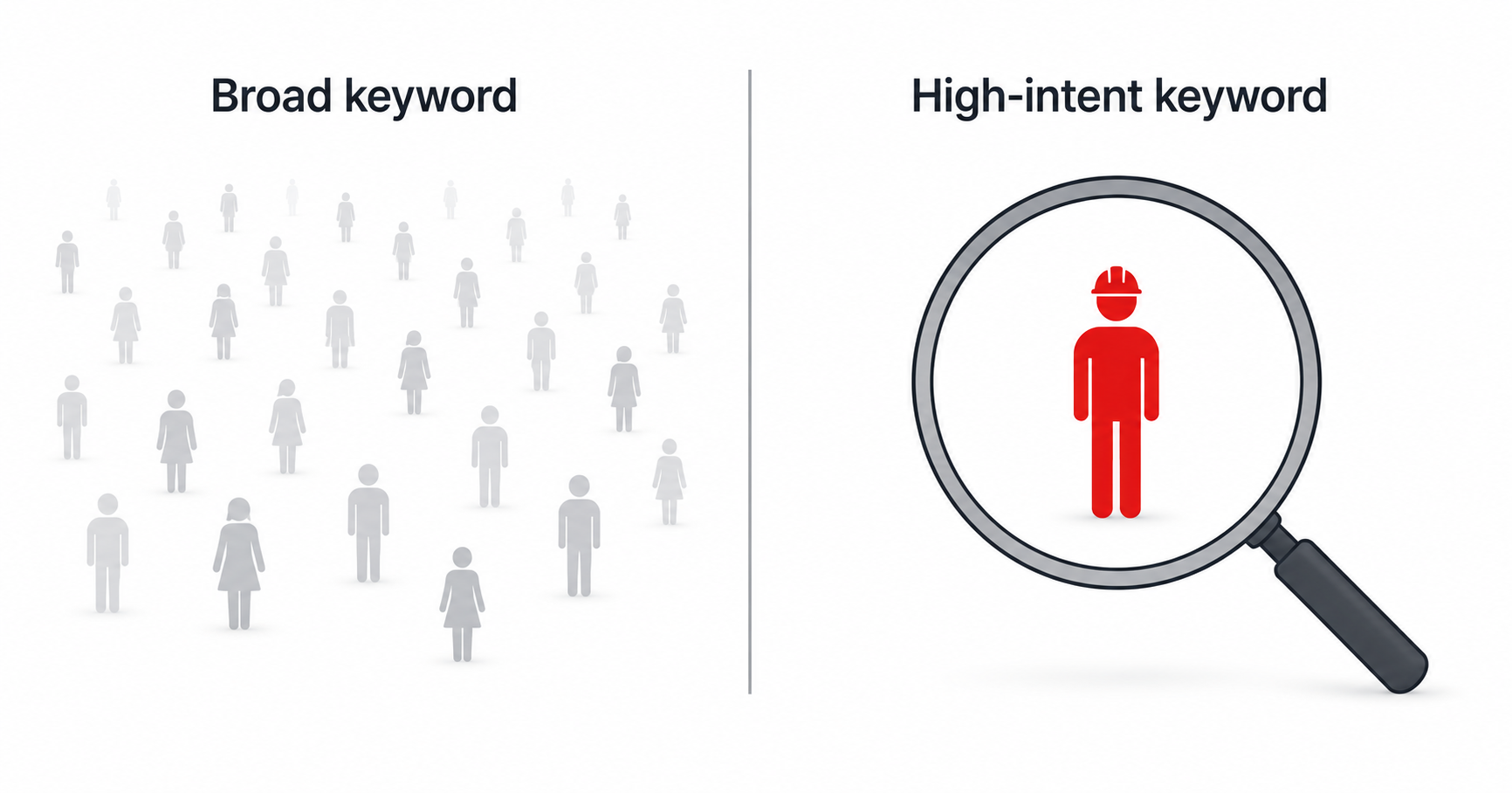
A high-intent B2B keyword is the search someone makes when they already know what they need and are close to choosing. In construction, these terms usually name a specific capability, certification, or requirement: “fit-out contractor DIFC”, “MEP contracting company in UAE”, or “ISO-certified design and build contractors”.
It helps to picture where a searcher sits in their journey:
Key insight: the more specific a keyword, the higher its commercial intent and, usually, the lower its competition. A high-intent keyword brings fewer visitors, but a far greater share of them are decision-makers.
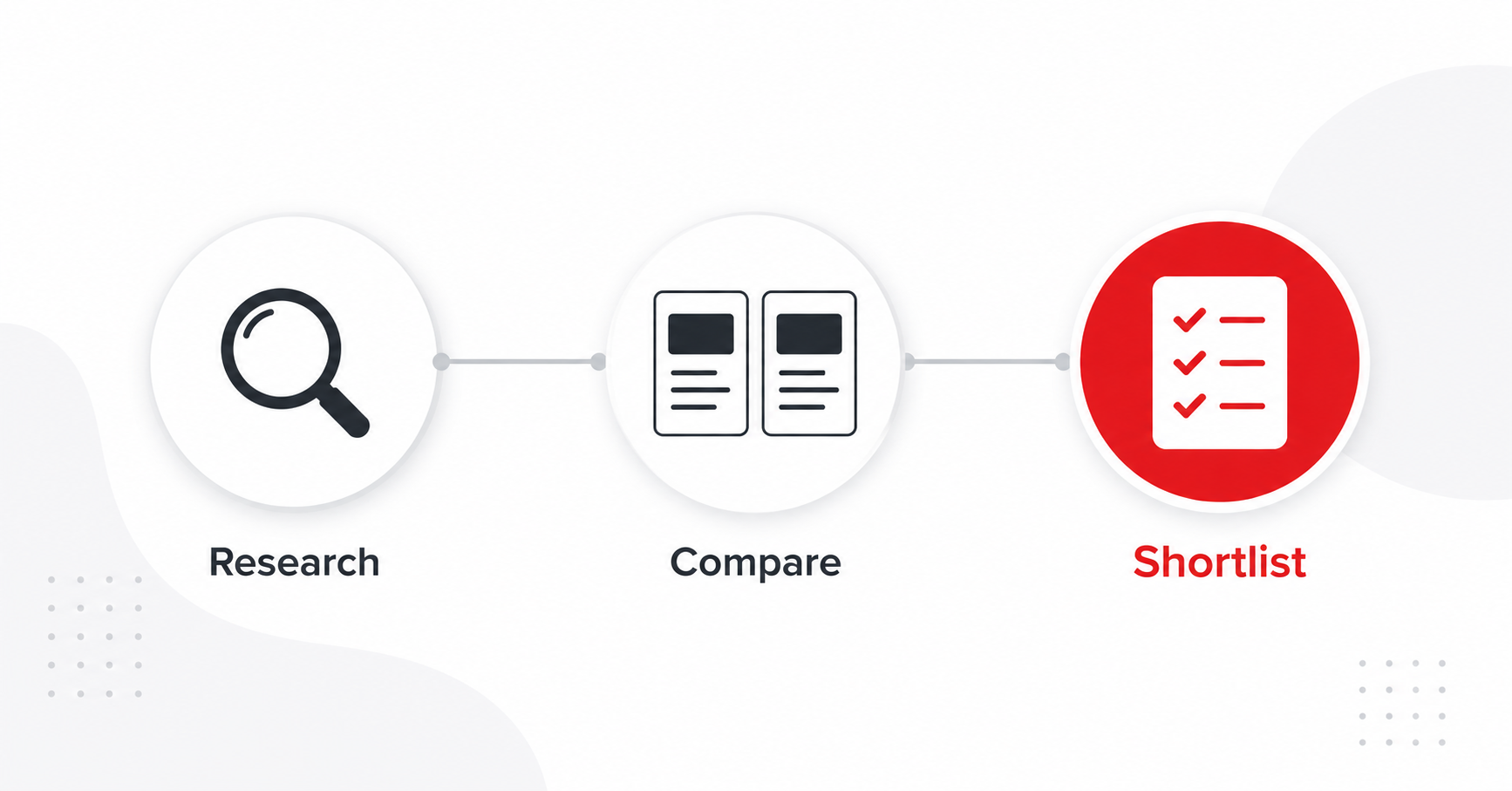
Construction procurement is slow, layered, and rarely settled by a single click. But it almost always begins online, and that early stage is where search quietly does its work.
A procurement officer or developer looking for a contractor rarely starts with a directory or a cold call. They search for the exact capability they need, then cross-check websites, project portfolios, and LinkedIn to judge whether a firm is credible. By the time they make contact, the shortlist is usually already formed, and the terms they searched decided who made it.
Once a buyer has a few names, the website becomes the pitch. They look for clear service capabilities, relevant project evidence, and visible accreditations such as ISO certification. A site that answers those questions quickly stays in the running; one that does not is easily set aside.
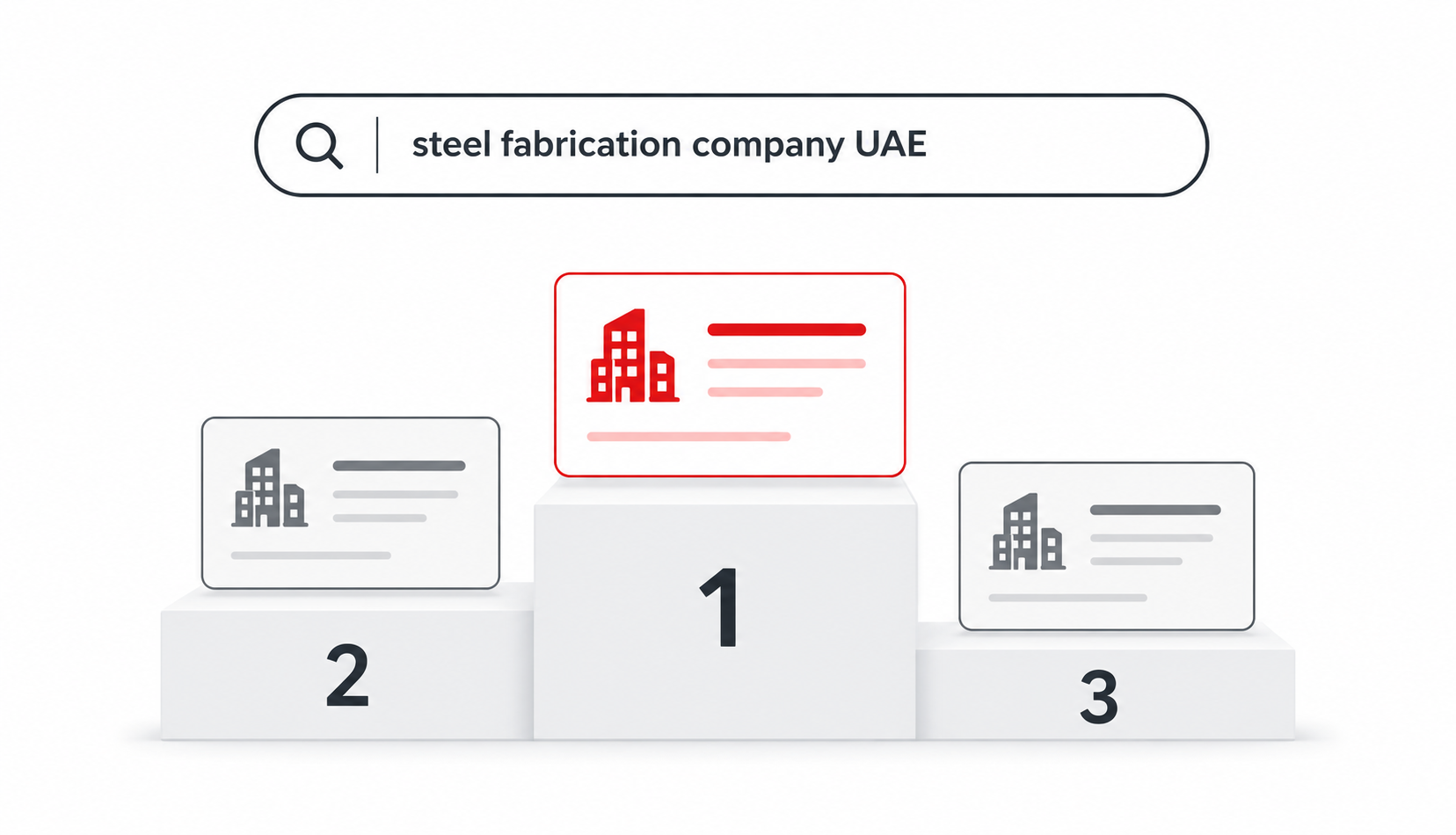
Reaching the first page is not enough on its own. Analysis by Backlinko found the top organic result earns close to 28 percent of all clicks, with the share falling sharply after the top three. For a specific, high-value search, ranking fourth or fifth usually means most of that attention has already gone elsewhere.
It is tempting to chase the biggest term in the category, because those terms have the most searches and look like the prize. In practice they are the slowest and least rewarding place to start, for two reasons.
First, the traffic is mixed. A broad term like "construction company Dubai" pulls a wide crowd, but only a small share of it is a buyer ready to award work. Second, the competition is fiercest there. Every established player targets the same head term, so a site that is not yet optimised has little chance of breaking through early.
There is also a stubborn myth that SEO is quick and mostly a matter of adding the right words to a page. It is not. Ranking is the combined result of clean technical health, genuinely useful content, a clear site structure, and proper targeting. Keyword ranking is only one part of a much bigger picture, and treating it as the whole job is where most construction SEO goes wrong.
Even when a company targets the right keywords, the website itself often blocks the result. The same problems appear again and again:
There is an encouraging side to this. Across UAE built environment search results, many competing websites share these same weaknesses, which means the specific, high-value terms are often more winnable than their difficulty scores suggest. The work is usually disciplined fundamentals, not a heroic campaign.
Ranking for these terms follows a clear sequence. It is the construction SEO strategy we have refined across years of SEO work for built environment brands in the UAE, and the order matters as much as the steps.
On a site that is not yet optimised, ranking for a fiercely contested head term is not realistic in the early months. Begin with keyword research that surfaces specific, lower-competition terms you can genuinely win, build authority, and work toward the harder terms over time. This is the heart for B2B SEO for construction companies
Give every core service its own page, with real depth and the detail a serious buyer expects. Then do the same for the locations you work in, so a search like "warehouse construction Dubai South" has a page built to match it.
This is the technical SEO that construction websites most often neglect: site speed, mobile performance, crawlability, and clean structure, fixed alongside the content work. These basics decide whether your good pages are allowed to rank at all.
A page that simply names a service ranks for very little. The pages that win show the work: project types, scope, materials, certifications, and the kind of specific detail a buyer recognises as the real thing. Search engines and AI tools increasingly reward content that clearly comes from people who do this work, not general filler that exists everywhere.
The larger goal is to make your website the place people in your sector turn to for both services and answers. As that authority builds, rankings, traffic, and enquiries follow. It is slower than paid ads, but it lasts. Ads stop the moment you stop paying, while a page that earns its position keeps working for years.
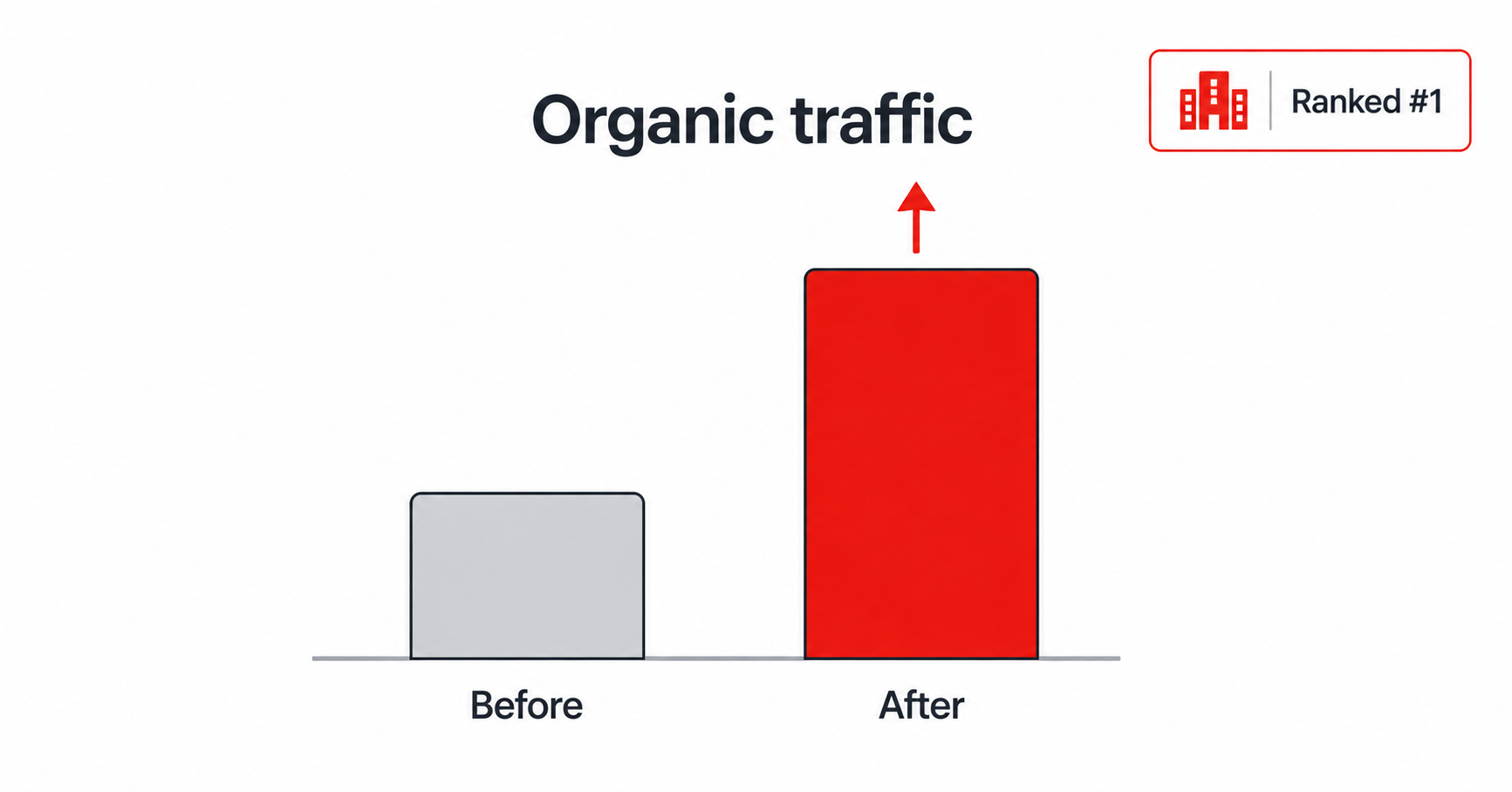
One example is Assent Steel, a UAE structural steel fabricator and erector we work with. After an SEO programme focused on its core service keywords and project documentation, it recorded a 2x increase in organic traffic, growth that came from ranking for specific, capability-led searches rather than broad category terms.
Across our built environment SEO accounts, the same pattern holds. The specific, intent-led terms are the ones that consistently move organic performance, while the broad terms mostly add noise.
Any marketing manager or business development lead can run this check in ten minutes.
Any "no" points to a high-intent keyword where there is visibility still to gain.

Working on search engine visibility for your construction brand in the UAE? GS Digital is an SEO agency in Dubai that helps built environment companies turn construction SEO into qualified enquiries, not just traffic. If your site is ranking for the wrong terms, or not ranking at all, we can show you where the gap is.

SEO Team Lead | Global Surf Digital

Anandu S is an SEO professional with six years of experience in organic search strategy, technical SEO, and content-led growth. At Global Surf Digital, he leads the SEO team with a focus on revenue-driven outcomes rather than vanity metrics.