Published on March 4, 2026 | Updated on March 4, 2026



1. Why Google Rankings No Longer Deliver Clicks
2. What Is a Zero-Click Search?
3. How AI Search Changes User Behaviour
4. Why Built Environment Brands Are More Affected
5. Ranking vs References: How Visibility Has Changed
6. How to Structure Content AI Overviews Cite
7. How to Build E-E-A-T for AI Trust and Citations
8. How to Measure AI Search Visibility
9. How AI Visibility Connects to Leads and Revenue
10. 90-Day Action Plan for AI Search Visibility
11. The Bottom Line: AI Search Is the New Visibility Battleground
12. Frequently Asked Questions
If your rankings look stable but traffic is falling, the reason is simple. Google zero click features and AI Overviews now answer many queries directly on the search page.
For built environment brands, this shift is significant. Developers, architects, contractors, and engineering firms have long relied on search visibility to generate project enquiries. When users stop clicking, lead opportunities shrink.
Today, success is not just about ranking. It is about being referenced inside AI generated summaries. This guide explains how built environment brands can adapt and stay visible in an AI led search environment.
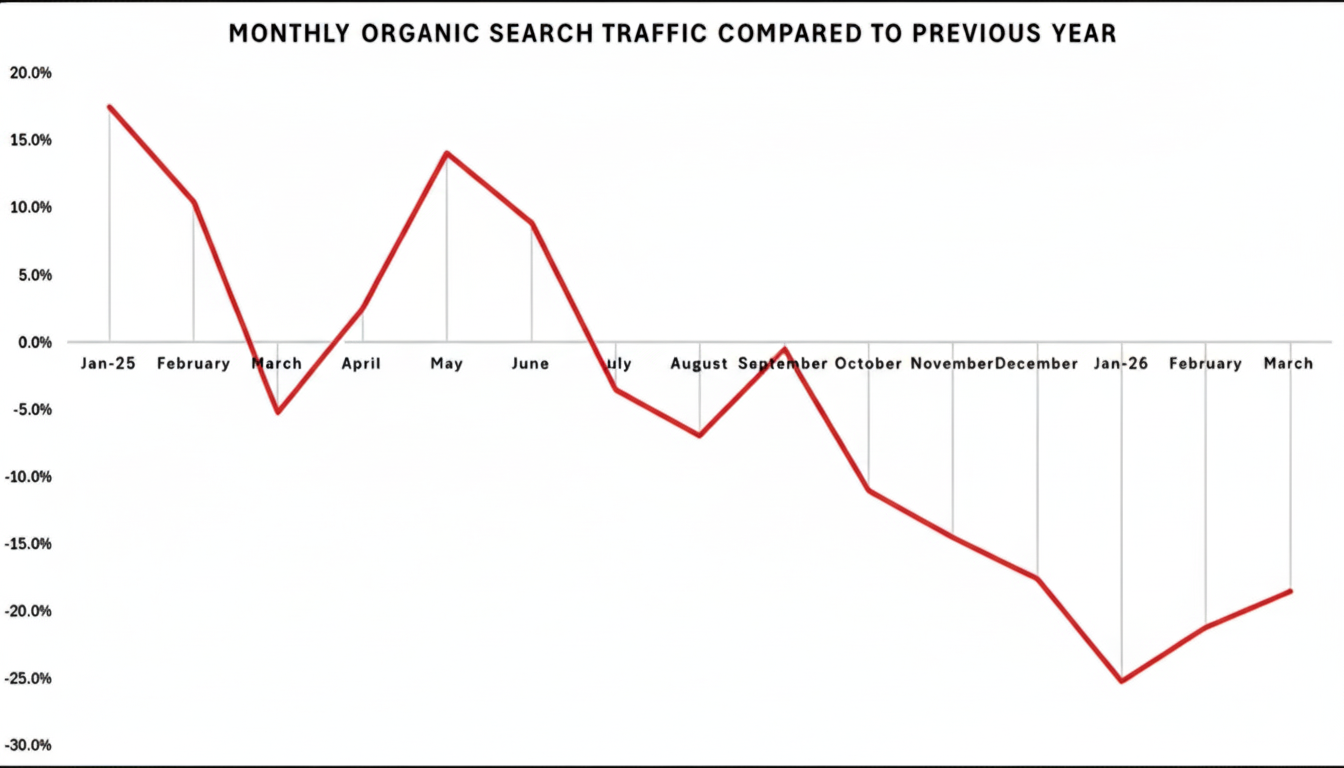
Google is no longer just a list of blue links. It increasingly acts like an answer engine.
When AI Overviews appear, users often see a full summary at the top of the page. Even if your website ranks well, fewer people feel the need to click.
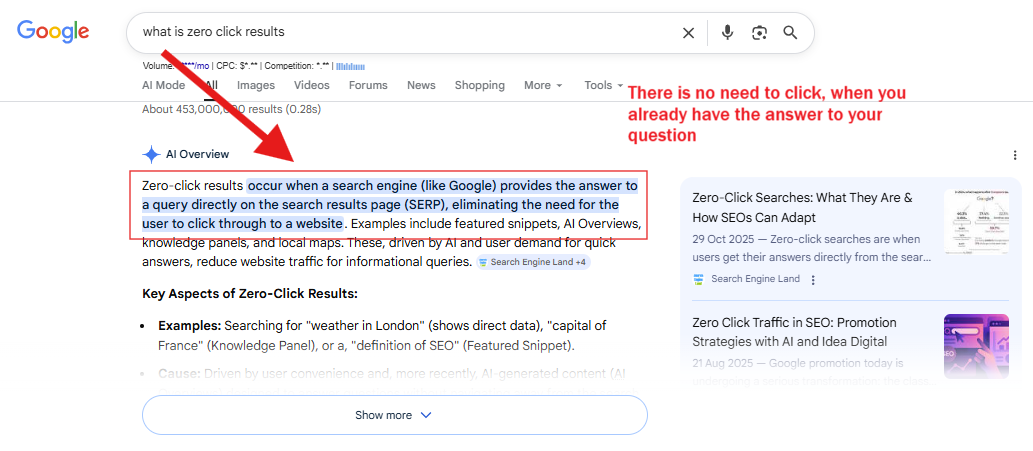
A zero click search happens when users get their answer directly on Google without visiting a website.
For example, someone searching for the best facade system for coastal high-rise buildings may see:
The response combines information from multiple websites into one explanation. Many users never visit the original pages.
Behind the scenes, search platforms now:
This changes the competition. Ranking on page one is no longer enough. Your content must be selected as a trusted source.
That is why many built environment brands notice steady rankings and impressions but declining clicks. Visibility has shifted from links to summaries.
Built environment projects are complex. They involve long sales cycles, multiple decision makers, and detailed technical evaluation.
Now buyers increasingly ask full questions instead of short keywords. They read one structured summary and move forward.
Examples include:
Instead of reviewing several websites, buyers rely on a single consolidated response.
This creates three clear risks:
Fewer clicks also mean fewer opportunities to educate prospects and capture leads directly. If your brand is not mentioned early in the research process, you may never enter consideration.
In traditional SEO, success meant ranking high in organic results. Traffic followed position.
In an AI first search environment, visibility works differently.
Today, success depends on whether your content is referenced inside summaries that influence decisions. If your company is not mentioned, you may remain unseen, even if you rank well.
| Traditional SEO | AI First Search |
|---|---|
Focus on keyword rankings | Focus on brand mentions in AI answers |
Measure organic position | Measure citation frequency |
Compete for clicks | Compete to be referenced |
Visibility = Traffic | Visibility = Mentions & Inclusion |
Blue links shape decisions | AI summaries shape decisions |
In simple terms, AI search visibility refers to how often and how accurately your brand appears inside AI generated answers across platforms such as:
Instead of only tracking keywords and positions, built environment brands now need to monitor:
For real estate digital marketing, AI search optimization for construction, and broader built environment marketing, winning means your case studies, technical guides, and specifications are the sources AI engines trust and reference when users ask detailed project questions.
Even without a click, your brand influences the decision. That is the new definition of visibility.
Understanding the shift is one thing. Structuring your content to be selected is another.
Answer engines favour clarity, structure, and authority. If your pages are vague or poorly organised, they are less likely to be referenced.
AI prefers clarity.
Use an inverted pyramid structure:
For example, if the topic is “What is the best facade system for high rise buildings?”, begin with a direct explanation before diving into technical depth.
Avoid long introductions that delay the answer.
Headings should mirror real buyer queries. Question based headings align better with conversational search behaviour and improve extractability.
The clearer the structure, the easier it is to summarise.
FAQ sections are extremely powerful in an AI led environment.
They:
For built environment marketing, FAQs should address specific technical and commercial concerns, not generic questions.
Content structure alone is not enough. You also need:
These signals help search engines and AI systems understand your expertise and context.
Finally, always reinforce authority.
Include:
AI systems are more likely to cite brands that appear trustworthy, specialised, and technically credible.
The goal is not just to rank. It is to be trusted and referenced.
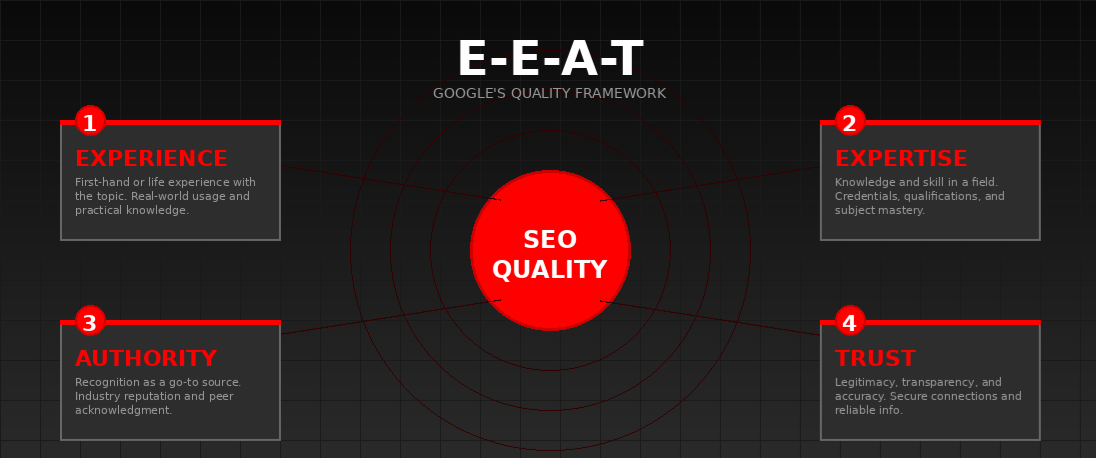
Search platforms evaluate credibility before selecting sources.
Experience, Expertise, Authoritativeness, and Trust increase the likelihood of being referenced.
In an AI first search environment, strong E E A T is not optional. It directly influences whether your brand is considered a safe source to reference.
Built environment brands should ensure every important page includes:
For example, a construction methodology guide should demonstrate real world experience, not just theory. AI systems look for evidence of applied expertise.
Beyond individual pages, your entire website should reinforce credibility.
Key trust elements include:
If your website appears incomplete or generic, it may be deprioritised in favour of stronger sources.
The objective is simple. Every key page should read like a reliable, expert answer.
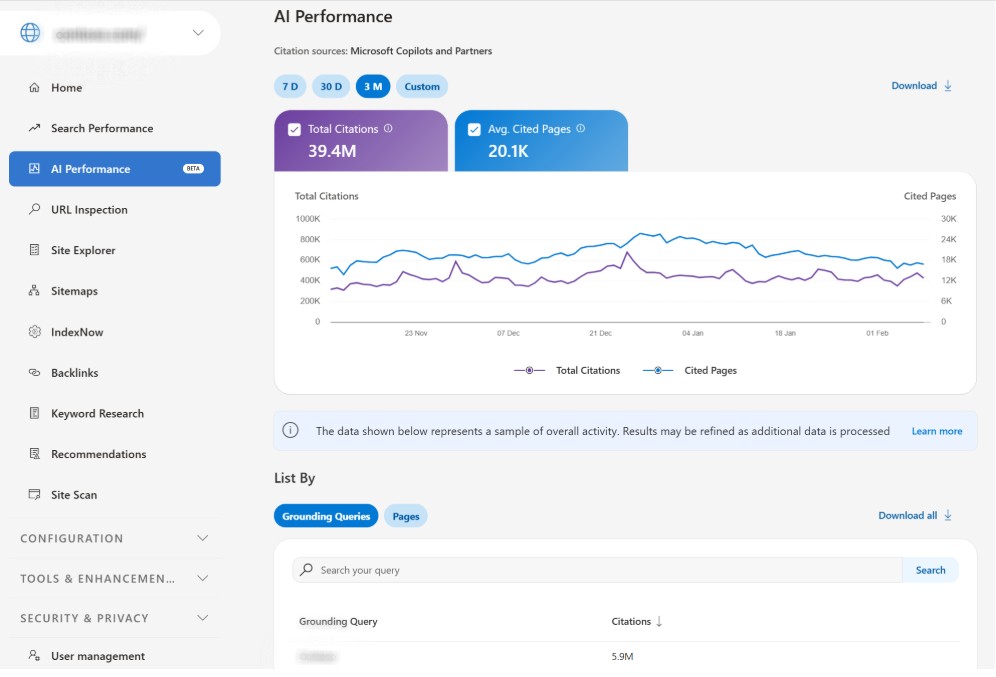
Traditional SEO reporting focuses on rankings, clicks, and sessions. But in an AI led search environment, those numbers no longer tell the full story.
Built environment brands now need to measure something different: how often they appear inside AI generated answers.
This is where AI search presence becomes a new performance metric.
For example, if users ask about sustainable construction methods, are you cited? If they ask about mixed use development specialists in your region, does your name appear?
You can approach this in two ways:
Use tools that track brand mentions in AI responses and provide visibility comparisons across competitors.
When evaluating AI presence, assess:
AI search metrics must connect back to commercial performance.
Monitor:
If AI search optimization for construction or zero click SEO for real estate improves your brand mentions, you should eventually see stronger lead quality and better-informed prospects.
The goal is not to chase mentions for vanity. It is to ensure AI visibility feeds real project enquiries and revenue growth.
Understanding the shift is important. Acting on it is what restores visibility and leads.
Below is a practical 90-day roadmap designed specifically for built environment brands that want to improve AI search visibility, not just recover lost clicks.
Start by ensuring AI systems can properly access and understand your content.
Key actions:
At this stage, the goal is clarity. You cannot win AI search visibility if search engines cannot easily access or interpret your expertise.
Now move from technical fixes to content transformation.
Key actions:
This is where zero click SEO for real estate and AI search optimization for construction start to take shape. You are restructuring your content so AI systems can extract and cite it.
Once improvements are live, begin tracking visibility inside AI answers.
Key actions:
An answer hub could be a detailed guide such as:
The focus during this phase is optimisation, not guesswork.
Throughout all 90 days, track commercial outcomes alongside AI metrics.
Monitor:
The objective is not simply to appear in AI Overviews traffic. It is to ensure improved AI search visibility translates into real project opportunities and revenue growth.
AI led, zero click search is not a passing trend. It represents a permanent shift in how visibility is earned and how decisions are shaped. For built environment brands, rankings alone no longer guarantee influence. What matters now is whether your brand is cited and trusted inside AI generated answers.
The focus must move from chasing positions to building authority that AI systems recognise and reference. In this environment, visibility means being part of the summary that informs early-stage research and shortlist decisions.
The brands that succeed will be those that structure content clearly, demonstrate real expertise, and consistently strengthen trust signals across their websites. They will treat AI search visibility as an ongoing discipline, not a short-term optimisation task.
The opportunity is still there. Search still drives demand. But the competitive advantage now belongs to brands that adapt early and position themselves as reliable sources that AI engines are confident enough to quote.


Digital Marketing Strategist | Global Surf Digital

Aravind JS is a Digital Marketing Strategist with over 12 years of experience building and scaling digital presence for luxury brands, automotive clients, and B2B businesses across the Middle East and beyond.